

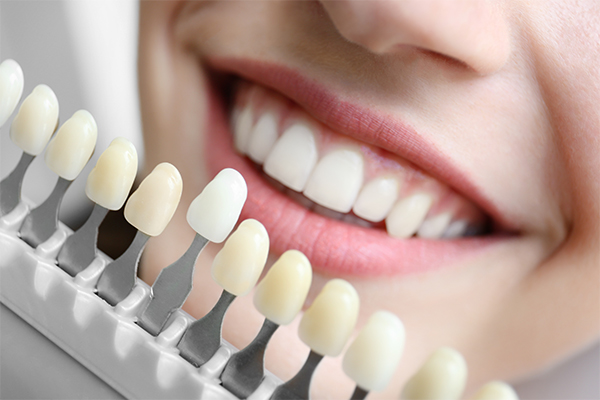
Teeth are made up of dentin and enamel. The color and thickness of the dentin largely determine the color of the tooth. This color is hereditary, but other factors also play a role. For example, diet and oral hygiene affect the color of the teeth. Teeth can be temporarily whitened with bleaching treatments. However, this does not apply to all discolorations. It is important to discuss your wishes with the practitioner.
When might bleaching be necessary?
Bleaching is not medically necessary. The color of the teeth says nothing about their health. In some cases, however, it may be ethically desirable to bleach. If the discolorations on the teeth are uniform, bleaching may be a solution. It is important to first have your dentist look at the current color of your teeth to determine the cause of the discoloration. It is also important that you have no cavities and that your oral hygiene is good.
Responsible home bleaching under supervision
Home bleaching is safe when you are supervised by your dentist or dental hygienist. During your first appointment, impressions will be made of your upper and lower jaw. A bleaching tray is then made in the dental laboratory. At the next appointment, you will receive this, along with instructions on the bleaching process. You will also receive the bleaching gel to take home. You can then start bleaching at home. The bleaching molds can be reused.